Expert-Backed Resources For Spoonies to Share with Your Doctors, Friends, and Family Who Think You're Overly Cautious
Talking with other Spoonies, like my friend in Australia who is struggling with particularly vicious Long Covid, I realized that it’s past time for me to post some helpful resources for spoonies.
With COVID-19 long off most healthy people’s minds, it’s becoming more difficult for those with autoimmune diseases to protect ourselves from rampant viruses. I get it — I’m tired of taking precautions of any kind, especially in the summer heat of Oklahoma.
As many healthy normals remind me, COVID is here to stay. Yes, but that doesn’t mean that we completely give up on any protection – and it’s even more important today to stay home when we are running a fever or feel a sore throat coming on, to help protect those who need extra care.
A business colleague mentioned a couple of weeks ago that his young kids were ill with what appeared to be strep throat — the doctor wouldn’t swab their throats (deemed too traumatic), as he just assumed it was COVID — the most recent variant apparently masquerades as strep/extremely sore throat. Yet another reminder that the US is no longer tracking COVID the way it once was, making it difficult for Spoonies to know when peak (or at least high) viral load is happening.
Unfortunately, I don’t have any tracking resources that are consistently reporting right now, other than perhaps some wastewater testing. Instead, I’ll share research-backed information on COVID-19, fibromyalgia, and staying safer in a world that seems to want to forget that there are vulnerable people.
1. World Health Network
You're not Health-anxious, you're dealing with Medical dismissal triggers
Frustrated with yet another flare and crash after a doctor appointment, my Aussie friend with severe Long Covid shared this quote with me from the World Health Network:
"Medical dismissal triggers what neuroscientists call social rejection stress, the same neurological response as physical pain. Your emotional reaction to dismissive doctors isn't oversensitivity. It's your brain recognizing a genuine threat to your survival"
David Brasure, Systems Integration Specialist in Healthcare
Reading this, I felt heard by someone who works in healthcare. I highly recommend you check out his excellent article with tips on how to make it through yet another doctor appointment.
2. The Long Covid Toolbox
Speaking of being heard, this next resource displays stories by those stricken with Long Covid and allows you to submit your own. Feel alone no longer — in Long Covid Land (LCL), you’ll read stories written by real patients.
LCL’s Declaration States:
- Demand action, not denial
- Turn research into care & treatment
- Recognize and prepare the burdens of LongCOVID
- Prevention is pivotal #COVIDisNotOver
- “Nothing about us without us”: fair representation for all affected
Check out their Long Covid Toolbox for recent scientific studies and journal articles.
3. Free Covid Safety Resource List
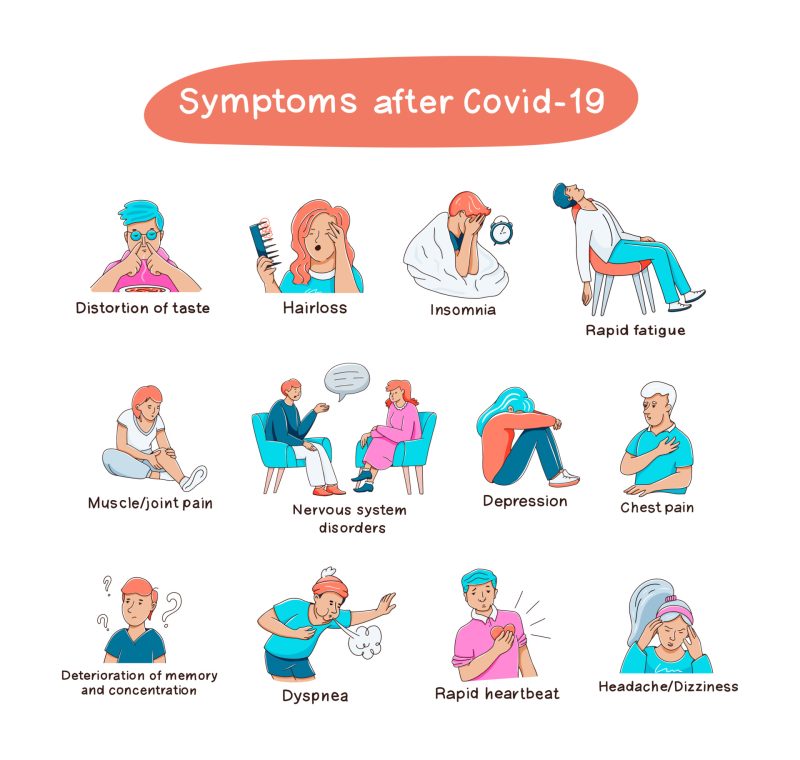
Last updated in July 2025 (as of December 2025), this long, helpful post lists links by categories such as:
- Day-to-Day Covid Prevention 101 (the science so far, mythbusters from the World Health Organization (WHO), etc.)
- Masks (what the science says, reputable mask sources, tips on fitting and testing masks, etc.)
- Clean Air Tools (why improve ventilation, information on personal air filters, filters for cars, etc.)
- Testing (tips on how to properly test, how accurate/reliable are tests by type, when to test, accurate at-home tests you can buy)
- Prevention Extras (experimental layers) – these are the anecdotal treatments like antihistamines, CPC mouthwash, nasal sprays, oral probiotics, etc. Proceed with caution.
- Covid and Mental Wellness (more toolkits, resources for survivors, therapy groups online, setting boundaries)
- If you (or someone in your home) has Covid – answers to common questions in this scenario
- If you MUST travel or be in a high-risk environment – studies about air quality in airplanes, travel kit suggestions, risk assessment, etc)
- If you MUST gather (how to conduct safer gatherings, exposure risk calculator, etc.)
- Covid-conscious community resources in alphabetical order
- Long Covid Resources (includes helpful links for ME/CFS Myalgic Encephalomyelitis/Chronic Fatigue Syndrome, POTS Postural Orthostatic Tachycardia Syndrome, and other similar conditions)
4. Clinical Care Guide
Bateman Horne Center’s comprehensive care guide is nearly 100 pages of clinical assessments, criteria, tips, and literature research sources that Spoonies can use.
According to their site, Bateman Horne Center is a “U.S.-based nonprofit organization and Center of Excellence dedicated to advancing clinical care, research, and education for ME/CFS, Long COVID, and related post-infectious conditions.
We also recognize that people with similar clinical presentation, but lacking documentation of infection at onset, may also benefit from this approach to care.
The guide is designed primarily for healthcare professionals practicing within the United States, recognizing that health systems, medication access, insurance structures, and scopes of practice vary widely across states and countries.” [highlighting is mine]
Since diagnostic criteria change as researchers and doctors make more connections, I love guides like this that define the current criteria for MECFS and Long Covid, and describe common symptoms shared between the diagnoses, including Post-exertional malaise (PEM). In fact, there are several warnings within the guide like “for severely impaired patients, cognitive assessments should be administered slowly and adapted to prevent PEM”…something I wish more doctors focused on.
Best of all, the authors include the most effective, practical management tips based on on-going research for conditions like PEM. From Pacing & Energy Conservation to Managing Crashes to Supportive Interventions, there are several things to try – many tips I use regularly, some I’ll be trying during my next flares.
5. The Mighty
Newsletters & Online Groups
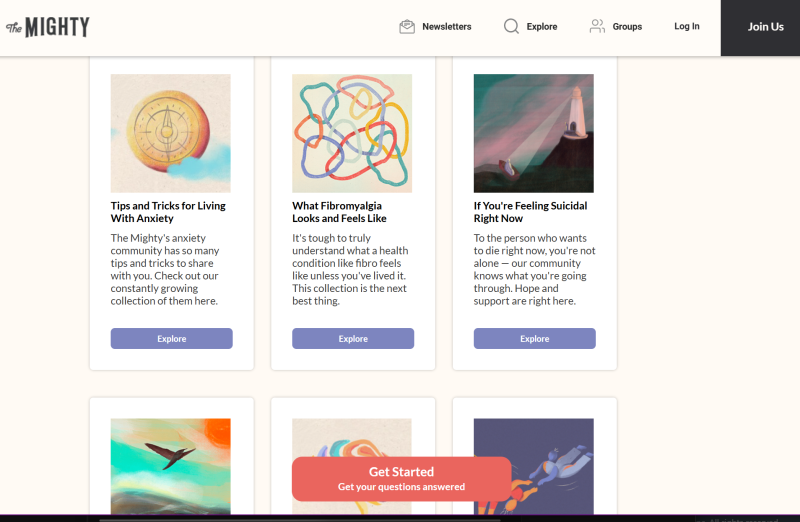
If you haven’t come across this community of supportive Spoonies and much, much more, I highly recommend you take a look and subscribe to The Mighty’s newsletters. When I’m trying to avoid the news, or first thing in the morning, I often look for the daily Mighty stories written by encouraging or sympathetic fellow chronic illness warriors, anxiety and depression champions, and other diseases my friends have been diagnosed with.
I participated in one of the Mighty’s studies on fibromyalgia in 2023, and it was interesting to see the weekly emails with hand-selected fibromyalgia content for 12 weeks — certainly learned a lot about the newest research and what other fibromites were trying. For those who want to join communities of people struggling with similar issues, I highly recommend you join one of their groups, like Spoonie Life Hacks — a fave of mine to browse/lurk to work smarter, not harder, even when my brain is foggy.
FULL DISCLOSURE: I started this article in September or October with a bad headache, but good intentions to finally share these resources. As of December 16 – the publishing date, I’m recovering from a flare/virus combo, so please forgive any rambling…I’m not going to run this through AI to make it sound more coherent today 😛